Humboldt Bay

Humboldt Bay

Humboldt Bay

Bird species included in model

Black brant (Branta bernicula nigricans)

Environmental issues simulated

Natural variation, sea-level rise / sediment change and recreation changing habitat area, habitat availability time and food quality

Recommendations from modelling

Increased disturbance from human activities or reduced food supply reduce emigration of black brant.

More information

Stillman, R.A., Wood, K. A., Gilkerson, W., Elkinton, E., Black, J. M., Ward, D. H. and Petrie, M. (2015) Predicting effects of environmental change on a migratory herbivore. Ecosphere, 6(7), 114. http://dx.doi.org/10.1890/ES14-00455.1.

Funding

Ducks Unlimited, Inc., funded this study (Project US-RS-14-2)
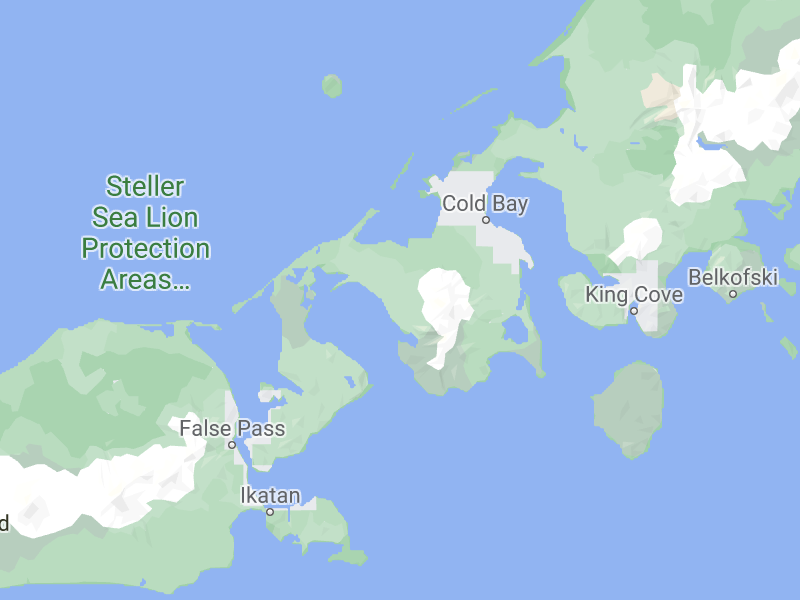
Izembek Lagoon

Izembek Lagoon

Izembek Lagoon

Bird species included in model

Black brant (Branta bernicula nigricans), Taverner’s cackling goose (Branta hutchinsii taverneri)

Environmental issues simulated

Human recreation, hunting, predator numbers, ice and extreme weather changing habitat area, habitat availability time, food availability and energy needs and requirements

Recommendations from modelling

Habitat loss, disturbance colder weather have greater impact on black brant geese when eelgrass food biomass is lower.

More information

Paper in review

Funding

United States Geological Survey

Martin Mere

Martin Mere

Martin Mere

Bird species included in model

Pink-footed goose (Anser brachyrhynchus)

Environmental issues simulated

Land use change and human iteration via disturbance affecting habitat area and availability time

Recommendations from modelling

Habitat loss and disturbance impact on pink-footed goose survival depends on proportion of habitat that is exploitable.

More information

Bournemouth University and Wildfowl and Wetlands Trust, 2018. Wildfowl functionally linked land. ECM_48346. Individual based modelling approach, Wildfowl and Wetlands Trust, Slimbridge, Gloucestershire.

Funding

Natural England

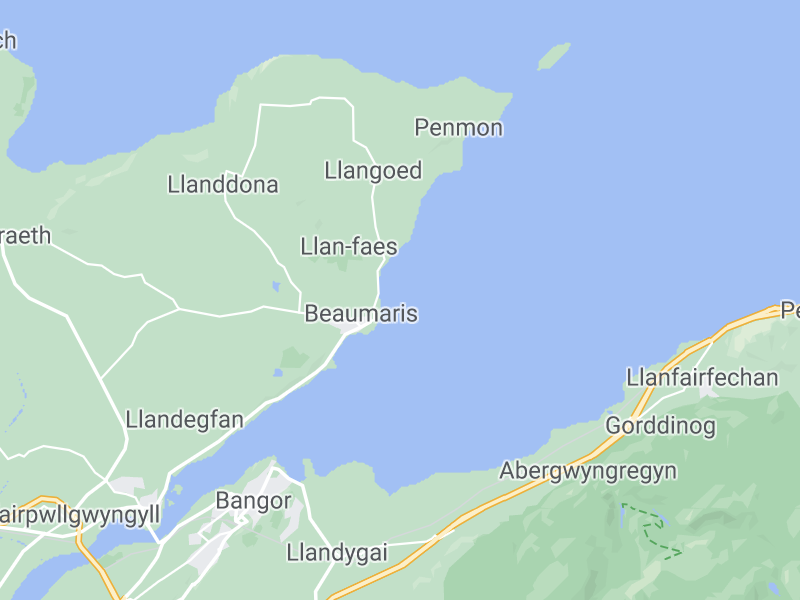
Menai Strait

Menai Strait

Menai Straight

Bird species included in model

Eurasian oystercatcher (Haematopus ostralegus)

Environmental issues simulated

Shellfishery management changing habitat area, availability time and food quality

Recommendations from modelling

Moving mussels down the shore as they grow reduces losses to Oystercatcher without decreasing Oystercatcher survival.

More information

West, A.D. and McGrorty, S., 2003. Marine monitoring project: Modelling osytercatchers and their food on the Dee Estuary, Traeth Lafan and Burry Inlet Spa to inform target setting and site management, Centre of Ecology and Hydrology, Dorchester, Dorset.

Caldow, R.W.G., Beadman, H.A., McGrorty, S., Stillman, R.A., Goss-Custard, J.D., le V. dit Durell, S.E.A., West, A.D., Kaiser, M.J., Mould, K. and Wilson, A., 2004. A Behavior-Based Modeling Approach to Reducing Shorebird-Shellfish Conflicts. Ecological Applications, 14(5): 1411-1427.

Funding

Environment Research Council LINK Aquaculture award ENVI1. Countryside Council for Wales

Morecambe Bay

Morecambe Bay

Morecambe Bay

Case Study A

Bird species included in model

Eurasian oystercatcher (Haematopus ostralegus), Red knot (Calidris canutus)

Environmental issues simulated

Shellfishery management and extreme weather changing habitat area, availability time, food quality and energy requirements

Recommendations from modelling

Reduction in cockle population size potentially reducing Oystercatcher survival.

More information

West, A. and Stillman, R., 2010. A single year study to determine the capacity of Morecambe Bay European marine site to support oystercatcher, using shellfish resource modelling techniques, Bournemouth University, Bournemouth.

Funding

Natural England

Case Study B

Bird species included in model

Eurasian oystercatcher (Haematopus ostralegus)

Environmental issues simulated

Shellfish food requirements of oystercatchers

Recommendations from modelling

More cockle and mussel food needs to be available when temperature is lower as the birds need to expend additional energy to maintain their body temperature and the rate at which they can consume food from terrestrial habitats can be reduced.

More information

Stillman, R. A., Goss-Custard, J. D. & Morris, S. E (in press) Assessing the shellfish food requirements of oystercatcher in Morecambe Bay. Natural England Report. 77pp.

Funding

Natural England

Case Study C

Bird species included in model

Red knot (Calidris canutus)

Environmental issues simulated

Shellfish food requirements of red knot

Recommendations from modelling

The food supply of red knot included in the model, derived from intertidal invertebrate surveys, underestimates the amount of food available to the birds in the real system.

More information

Stillman, R. A., Goss-Custard, J. D. & Morris, S. E (in press) Assessing the shellfish food requirements of knot in Morecambe Bay. Natural England Report. 102 pp.

Funding

Natural England